Why Timing Matters: Should You Take Your Medicine With Food or on an Empty Stomach?
SOM · 26 July 2026
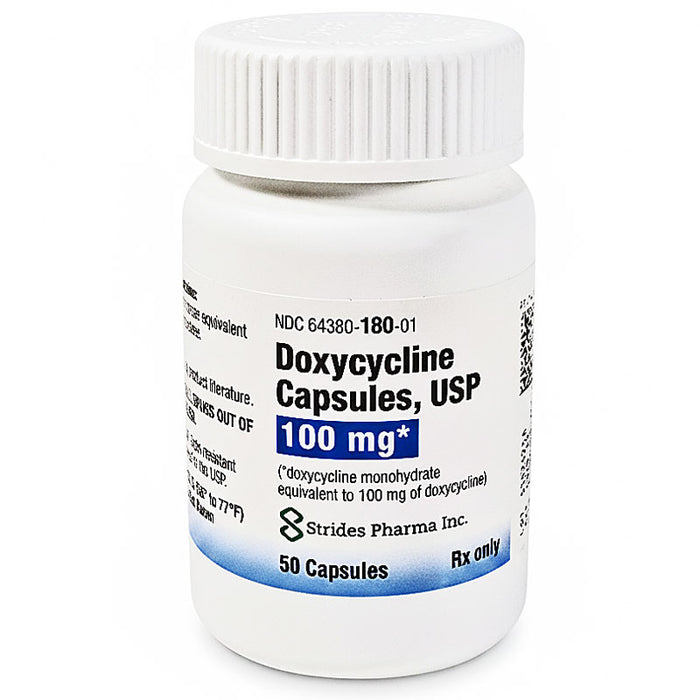
Ever been handed a prescription and told "take this after meals," only to get a completely different instruction — "take on an empty stomach" — for something else? It's not random. The timing behind these instructions is rooted in how your body actually absorbs each drug, and getting it wrong can mean the difference between a medicine working properly and it barely working at all.
Let's break down why some common medications need food, why others need to steer clear of it (and specifically, dairy), and what that means for you next time you're filling a prescription.
Albendazole (Zentel): Why Fat Is Actually Your Friend Here
If you've ever dewormed your family with Zentel, you may have been told to take it with a meal — and there's good reason for that. Albendazole is poorly soluble in water, which makes it naturally difficult for the body to absorb on its own. But pair it with a fatty meal, and something interesting happens.
Clinical studies have consistently shown that a high-fat meal can boost the drug's bioavailability dramatically. A study published in the European Journal of Clinical Pharmacology found that plasma concentrations of the active metabolite were about 4.5 times higher when albendazole was taken with breakfast compared to on an empty stomach¹. The official Zentel product information goes further, noting the effect can be roughly five-fold with a fatty meal².
For simple gut worm infections, taking it on an empty stomach is sometimes fine, since the drug can act locally in the intestines either way. But for anything requiring the drug to work systemically — like tissue infections — food isn't optional; it's part of how the treatment succeeds.
Bottom line: Take Zentel with a meal that has some fat in it — think eggs, avocado, or milk-based porridge — not on an empty stomach.
Tetracycline Antibiotics: Why Milk Is the Enemy
Tetracycline works completely differently, and the food rule here flips entirely. Instead of needing fat to help it along, tetracycline needs you to actively avoid calcium — and milk is loaded with it.
Here's what happens: tetracycline binds tightly to calcium, forming a compound your gut simply can't absorb. Research on this interaction shows milk alone can reduce tetracycline absorption by as much as 65%³, and depending on the source, protein-rich or calcium-rich foods overall can cut absorption anywhere from 50% to 90%⁴. That's not a minor dip — it's often enough to turn a full-strength dose into a mostly wasted one, which matters a great deal when you're trying to clear an infection.
This isn't limited to a glass of milk on the side, either — even a splash of milk in your tea or coffee has been shown to meaningfully reduce how much of the drug your body actually absorbs³.
Bottom line: Keep tetracycline at least 2–3 hours away from milk, yoghurt, cheese, or any calcium-fortified foods and supplements. Newer relatives like doxycycline are somewhat less affected by this interaction, but caution is still generally advised.
Penicillins: It Depends Which One You're Holding
This is where things get a little more nuanced, because "penicillin" isn't one single instruction — it depends on the specific type.
- Penicillin V is best taken on an empty stomach, ideally an hour before or two hours after eating, since food can reduce how well it's absorbed⁵.
- Amoxicillin, on the other hand, is much more forgiving. Research comparing fasting and fed states found its absorption stays largely stable either way⁶, which is why it's commonly taken with food simply to ease stomach discomfort rather than for absorption reasons.
- Flucloxacillin is generally recommended on an empty stomach; studies have shown food can noticeably lower peak concentrations of the drug⁷.
Bottom line: Don't assume all penicillins follow the same rule — check your specific prescription label, since even doctors and pharmacists apply different timing depending on which one you've been given.
Pain Relief Combinations (NSAIDs + Paracetamol + Chlorzoxazone): Food Is Your Stomach's Shield
Combination pain relievers — the kind that pair an NSAID (like diclofenac, ibuprofen, or aceclofenac) with paracetamol and the muscle relaxant chlorzoxazone — are common go-tos for back pain, muscle spasms, and sprains. But this trio can be tough on your stomach if taken carelessly.
NSAIDs are well known for irritating the stomach lining, and chlorzoxazone can add to that discomfort. That's why product guidance across these combinations consistently recommends taking them after meals to reduce nausea, stomach pain, and the risk of irritation⁸. Skipping food with these can mean waking up to more stomach ache than muscle relief.
Bottom line: Always take these combinations with or right after a meal — never on an empty stomach — and avoid pairing them with alcohol, which raises the risk of stomach bleeding and liver strain.
Why This All Matters
Skipping these small details doesn't just affect comfort — it can genuinely affect whether your treatment works. Taking Zentel on an empty stomach might mean the parasite doesn't fully clear. Washing tetracycline down with milk might mean the infection doesn't fully respond. And skipping food with strong pain-relief combinations can leave you dealing with a sore stomach on top of the pain you were already treating.
The good news? None of this requires guesswork. Most of these medicines — including albendazole, various penicillins, and pain-relief combinations — are available through Auramed.co.ke, and our pharmacists are always happy to walk you through exactly how and when to take what you've been prescribed.
This article is for general educational purposes and isn't a substitute for professional medical advice. Always follow your doctor's or pharmacist's specific instructions, and read the patient information leaflet that comes with your medication.
References
- Lange, H., Eggers, R. & Bircher, J. "Increased systemic availability of albendazole when taken with a fatty meal." European Journal of Clinical Pharmacology, 34, 315–317 (1988).
- GSK. Zentel (Albendazole) Product Information / Data Sheet.
- Just Medical (medical review). "Antibiotics and Dairy Products: Understanding the Interaction."
- Journal of Research and Advancement in Biology (JRASB). "Antibiotics Interaction with Dairy Products."
- Brainscape / clinical pharmacology teaching reference — antibiotic food-timing summary (Penicillin V, flucloxacillin, ampicillin, tetracycline).
- Eshelman, F.N. & Spyker, D.A. "Pharmacokinetics of amoxicillin and ampicillin: crossover study of the effect of food." Antimicrobial Agents and Chemotherapy, 14(4), 539–543 (1978).
- "In healthy volunteers, taking flucloxacillin with food does not compromise effective plasma concentrations in most circumstances." PMC, National Library of Medicine.
- Zeelab Pharmacy / Apollo Pharmacy — clinical product guidance on Diclofenac/Ibuprofen/Aceclofenac + Paracetamol + Chlorzoxazone combinations.